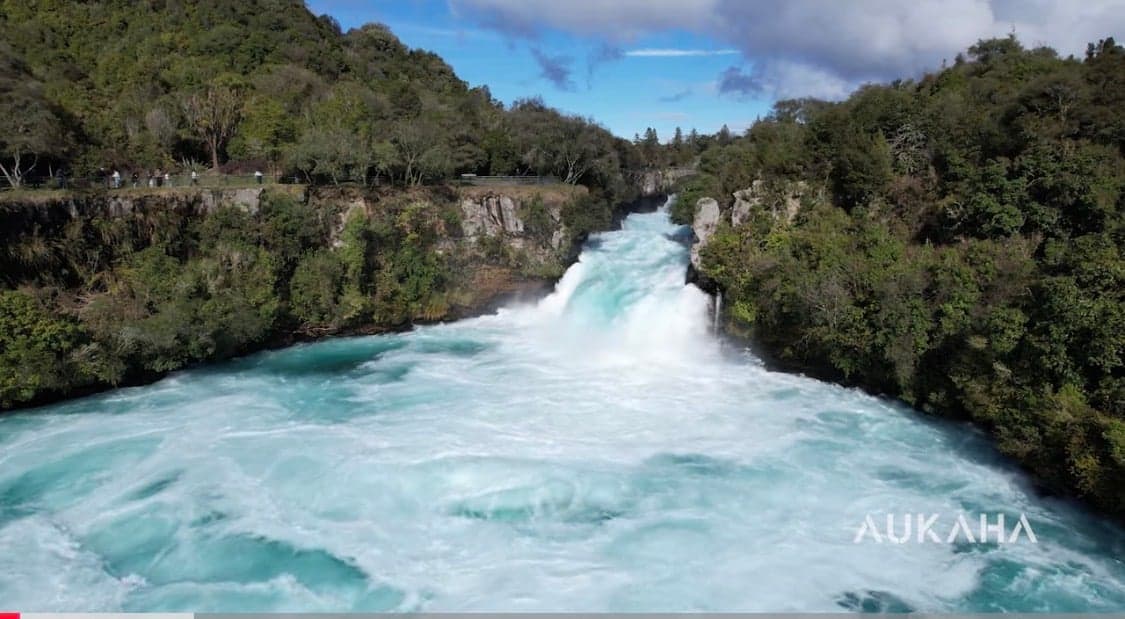
In a decisive move for the future of Aotearoa’s largest river system, Ngāti Tūwharetoa has hailed the final Environment Court decision on Plan Change 1 (PC1) as a monumental shift in the protection of the Waikato and Waipā rivers. The ruling concludes a grueling decade-long legal and advocacy journey, marking a critical transition from symbolic aspirations to enforceable, long-term environmental regulation.
For the Tūwharetoa Māori Trust Board, the decision is far more than a bureaucratic victory; it is a profound fulfillment of kaitiakitanga. The health of the Waikato Awa is intrinsically linked to its source, Taupō Moana, a taonga central to the iwi’s whakapapa and identity.
“Our responsibility to the awa and the whenua is not temporary or transactional; it is inherited through whakapapa and carried forward for our mokopuna apōpō,” Tūwharetoa Māori Trust Board Chair John Bishara said.
“Ngāti Tūwharetoa holds an enduring relationship to Taupō Moana and the headwaters of the Waikato Awa. These waters are part of who we are. The health of the river begins at its source, and our responsibility as kaitiaki extends from Taupō-nui-a-Tia throughout the wider river catchment,” Bishara said.
The court’s decision establishes a comprehensive, 80-year catchment-based framework designed to reverse generations of cumulative degradation. By embedding the Te Ture Whaimana o Te Awa o Waikato (Vision and Strategy for the Waikato River) into binding law, the ruling ensures that the river’s health is no longer subject to the vagaries of political cycles or voluntary compliance.
At a time when environmental protections are facing stiff headwinds nationally, Tūwharetoa Māori Trust Board Chief Executive Officer Rakeipoho Taiaroa emphasised the resilience of this framework.
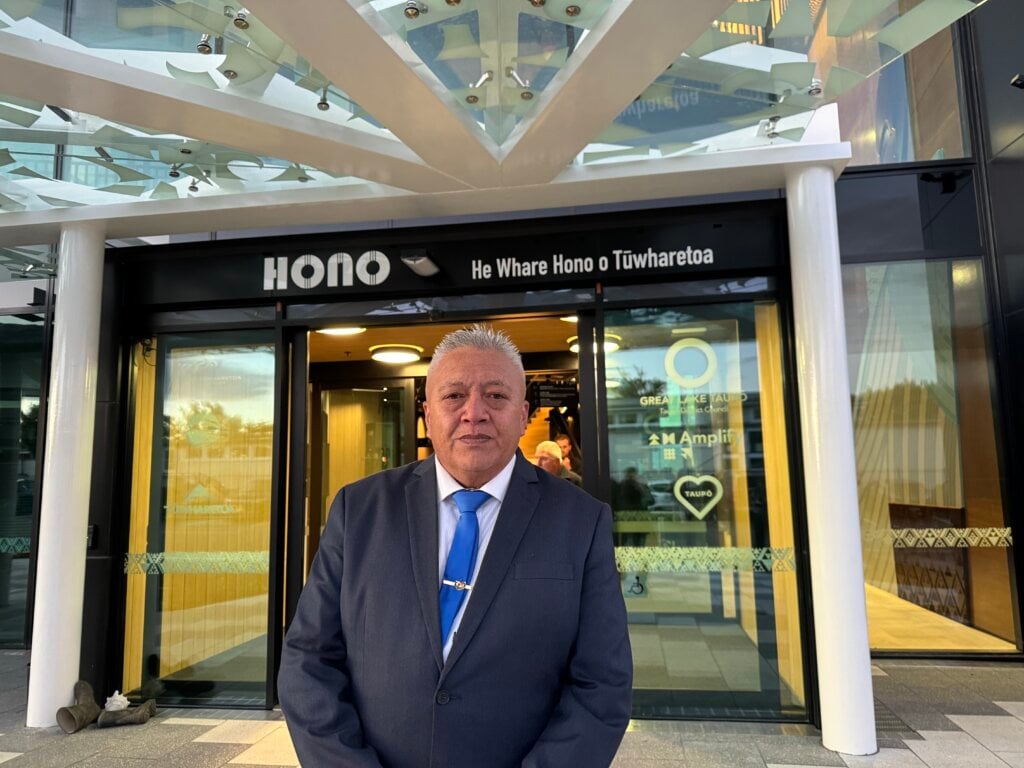
“At a time when environmental protections are increasingly contested and weakened across the national policy landscape, Plan Change 1 stands as one of the strongest examples of catchment-scale planning in Aotearoa,” Taiaroa said.
“This is about whakapapa. This is not about control, and it is not about disadvantaging or targeting farmers,” he said.
“The reality is we are also farmers and foresters. This work is about ensuring long-standing legal commitments… are properly recognised and implemented in a way that is fair, balanced, and future-focused”.
The Trust Board, which is currently marking 100 years of service, stressed that this progress was achieved through the strength of partnership alongside Waikato-Tainui, Ngāti Maniapoto, Raukawa, and Te Arawa River Iwi. They moved quickly to dispel any notion that the regulations are aimed at penalising landowners.
As the iwi looks toward the implementation phase, the message remains clear: the river has borne the cost of inaction for too long. With this landmark decision, Ngāti Tūwharetoa is looking to ensure that the legacy passed to future generations is one of resilience and restoration, rather than continued decline.
Waikato River Authority responds
Waikato River Authority Co-Chair Stu Kneebone stated that the decision reinforced the importance of Te Ture Whaimana as the guiding framework for the river’s long-term restoration.
“This decision confirms that Te Ture Whaimana remains the compass guiding the restoration of the Waikato River system. The Court has recognised that improving the health of the river will take time, commitment and collective action across the catchment,” Kneebone said. “The river did not become degraded overnight and it will not be restored overnight. What is important is that progress continues and that we keep moving forward together.”
Waikato River Authority Co-Chair Danny Loughlin added that the decision aligned with the intent of the Waikato River settlement and the shared responsibility for restoring the Waikato and Waipā Rivers.
“Te Ture Whaimana was created to ensure the health and wellbeing of the river is placed at the centre of decision-making. This decision reinforces that vision and acknowledges that Plan Change 1 is part of a much longer intergenerational journey,” Loughlin said. “Mā rau ringa e ora ai te awa – many hands will restore the river. That is the spirit we must carry forward from this decision. Everyone has a role to play in restoring and protecting the Waikato and Waipā Rivers for future generations.”